







Search Results for: Anaerobic Honey Process

Costa Rica Tarrazu Mozart Coffee Beans: A Complete Guide to Anaerobic Honey Processing Flavor and Pour-Over Parameters
The Mozart coffee beans from Costa Rica's Tarrazu region are, in Front Street Coffee's view, a bean with a particularly outstanding sweetness. It carries a fermented aroma reminiscent of dried fruit and the sweet notes of raisins, thanks to the anaerobic honey processing method. Honey processing does not mean adding honey to the beans; rather, the mucilage is retained during drying, allowing sugars to seep into the bean. As Costa Rica's highest-altitude producing region, Tarrazu has large temperature differences between day and night, giving the beans more time to accumulate flavor. Front Street Coffee uses a medium roast and a V60 dripper with staged extraction, bringing out rich layers of raisin, osmanthus, and pineapple. This article will walk you through the principles of honey processing, its grading, and the origin background and brewing method of this bean. [more…]
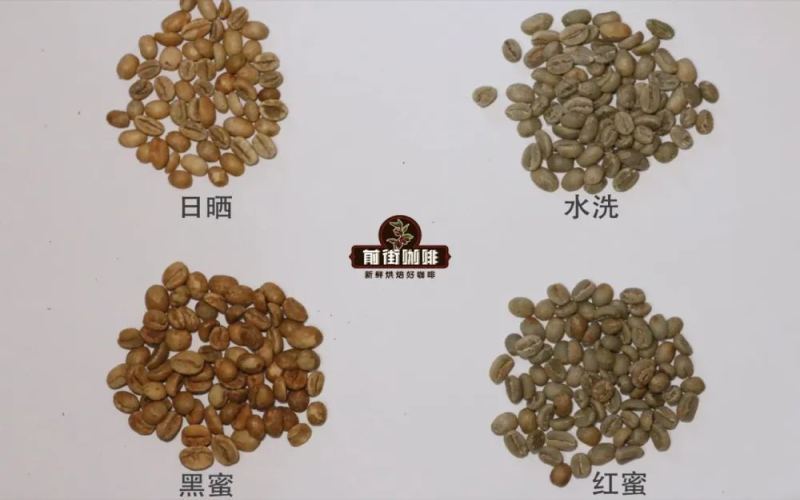
A Complete Guide to the Three Main Coffee Processing Methods: A Comparison of Natural, Washed, Honey, and Anaerobic Enzyme Processes
The flavor of coffee depends to a large extent on how the green beans are processed. Natural, washed, and honey processing, as the three classic methods, each present distinctly different flavor directions. In addition, enzyme processing and anaerobic fermentation have gradually entered the public eye in recent years, adding more possibilities to coffee. Front Street Coffee believes that using such fermentation techniques in moderation to create distinctive flavors is worthy of recognition, but if they are used to mask defects in the coffee beans themselves, that deviates from the original purpose of the processing method. This article will systematically sort out the specific procedures and flavor characteristics of these processing methods, and combine them with representative products on the Front Street coffee list to help coffee lovers build a clearer understanding. [more…]
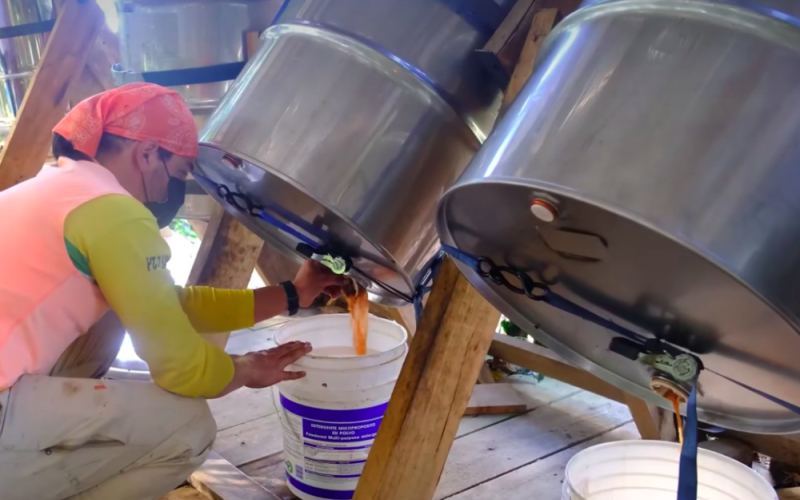
Why Are Coffee Processing Methods Becoming Increasingly Diverse? The Evolutionary Logic from Origin Adaptation to Flavor Exploration
Nowadays, the names of coffee processing methods are becoming more and more varied, from anaerobic natural to low-temperature slow anaerobic washed, from black honey and red honey to enzyme washed, making one dazzled. Behind this complexity, there are actually two main threads: the birth of early processing methods was the result of the producing region's environment forcing it—for example, Indonesia's humid and rainy climate gave rise to washed and wet-hulled methods; while the evolution of contemporary processing methods stems from the consumer market's dual pursuit of flavor expression and traceability information. This article will sort out the evolution from natural, washed to honey processing and anaerobic fermentation, analyze how different processing techniques affect coffee flavor, and reveal the deeper reasons behind the increasingly refined naming of processing methods. [more…]
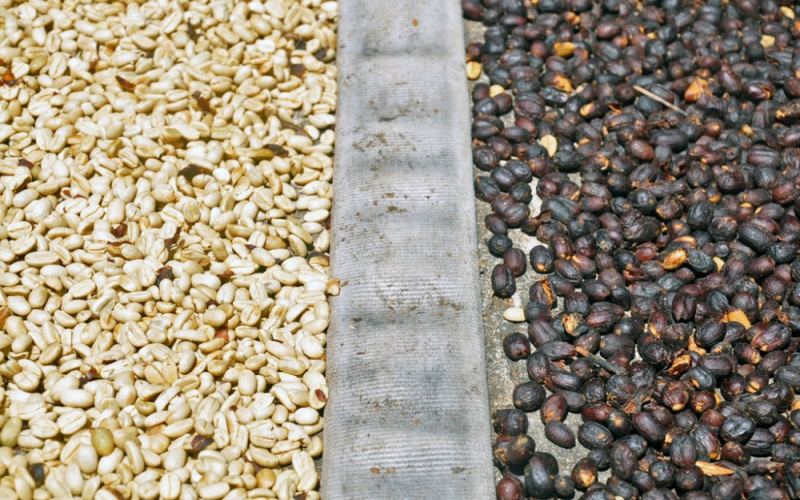
A Complete Guide to Coffee Bean Processing Methods: Flavor Differences from Natural and Washed to Wet-Hulled, Honey, and Anaerobic Fermentation
Where exactly does the flavor of a cup of coffee come from? Beyond the climate of the origin and the variety, the processing method of the coffee beans is also a key variable that shapes the flavor in the cup. From the most common natural and washed processes, to Costa Rica's distinctive honey process, Indonesia's unique wet-hulled method, and the anaerobic fermentation that has been favored in competitions in recent years, each technique quietly reshapes the sweetness, acidity, and body of the coffee. This article will use specific beans such as Yirgacheffe, Mandheling, and the Costa Rica Musician Series as examples to outline the process flow and flavor direction of mainstream processing methods, helping coffee lovers understand the taste differences brought by different processing methods from the same origin, and also explaining the risks and limitations of each processing method. [more…]

How can you tell coffee bean processing methods apart? Start with silver skin residue and cupping flavors to quickly distinguish natural, washed, honey, and wet-hulled methods
Many coffee enthusiasts hope to determine a coffee bean's processing method simply by observation or tasting, and there is actually a method to this. Drawing on Front Street's practical experience, this article systematically sorts out the classification logic of common processing methods: the globally universal washed and natural methods, as well as the region-specific Indonesian wet-hulled method and Central and South American honey process. The article focuses on how to quickly distinguish processing methods by observing the remaining silver skin on roasted beans, the white line in the bean crease, and the degree of caramelized sugar staining, while also using examples from producing regions such as Yirgacheffe to explain the differences between natural and washed coffees in flavor layering, sweetness, and cleanliness, and extending to the flavor logic of anaerobic processing, helping you build a practical framework for discernment. [more…]
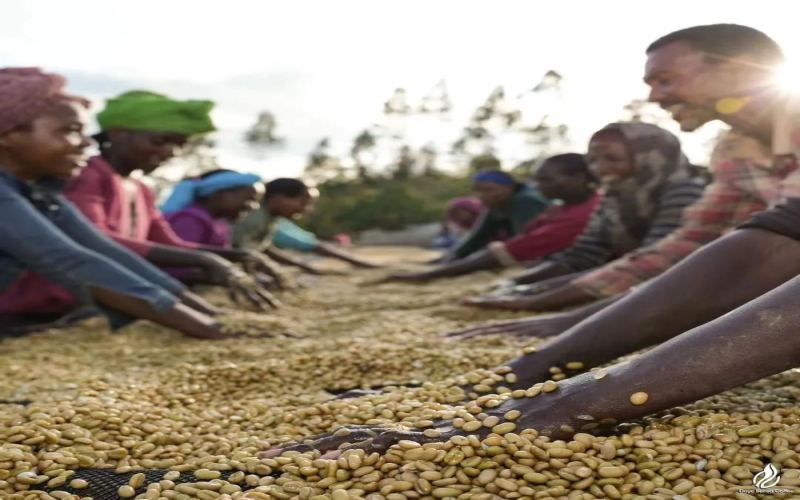
From Natural to Washed to Honey Processing: The Fermentation Principles Behind Coffee Processing Methods and Their Flavor Impact
Many people assume that only special processes like anaerobic fermentation involve fermentation, but in reality, conventional methods such as natural, washed, and honey processing are equally dependent on fermentation. Fermentation is the process by which microorganisms break down sugars and produce heat and compounds in the presence or absence of oxygen. Coffee cherries are rich in moisture and sugars, so fermentation begins the moment they are picked. Different processing methods correspond to aerobic or anaerobic fermentation pathways, and the duration and intensity of fermentation directly shape the flavor profile of the coffee—prolonged fermentation brings rich layers of dried fruit and fruit preserves, while short fermentation yields bright acidity and a clean mouthfeel. Properly controlled fermentation enhances quality, but once it becomes unbalanced, it produces irreversible negative flavors such as moldiness and rotten fruit. [more…]
Brewing Parameters and Origin Flavor Analysis of Costa Rica's巨石 Estate Anaerobic Black Honey Process Coffee Beans
Costa Rica, as the first country in Central America to cultivate coffee, has given rise to numerous specialty coffees thanks to its volcanic soil and microclimates. Located in the Brunca region, Hacienda Colossal is known for its anaerobic heavy honey processing method and Bourbon and Catuai varieties, with high-density beans and outstanding sweetness. The Hacienda Colossal Blueberry coffee beans brought by Front Street Coffee this time are a typical representative of this terroir. This article will review its regional background, variety characteristics, and processing techniques, and share Front Street's roasting records, cupping reports, and specific brewing suggestions, including V60 dripper, 90°C water temperature, 1:15 coffee-to-water ratio, and other parameters, providing coffee enthusiasts with a complete brewing reference. [more…]

How to Identify Coffee Bean Processing Methods? A Full Analysis of Flavors and Bean Appearance for Natural, Washed, Honey, and Wet-Hulled Processes
Faced with a dazzling array of coffee beans, how can you tell from their appearance and flavor which processing method they have undergone? Drawing on the practical experience of Front Street Coffee, this article teaches you to observe bean surface features such as remaining silver skin, the white line in the bean cleft, color, and sugar glazing, so you can quickly distinguish common processing methods like natural, washed, honey, and wet-hulled. At the same time, using examples from producing regions such as Yirgacheffe, it compares the flavor differences between natural and washed processing in terms of sweetness, complexity, and cleanliness, and extends to the craft logic of anaerobic processing and barrel fermentation, helping you understand more systematically how processing methods shape coffee flavor. [more…]
How to Quickly Identify Coffee Bean Processing Methods by Silver Skin and Flavor: A Full Analysis of Washed, Natural, and Derived Processes
Faced with the dazzling array of coffee beans on the market, many enthusiasts hope to quickly determine their processing method. In fact, by mastering just two core techniques—observing the remnants of silver skin and tasting the flavor—you can broadly distinguish between washed, natural, and derived processes such as honey processing and wet-hulled. Drawing on the practical experience of Front Street Coffee, this article systematically organizes the bean appearance characteristics of globally common processing methods and regional processing methods, and through cupping comparisons of producing regions such as Yirgacheffe, helps you build clear identification logic and understand the flavor differences behind processes such as anaerobic fermentation. [more…]
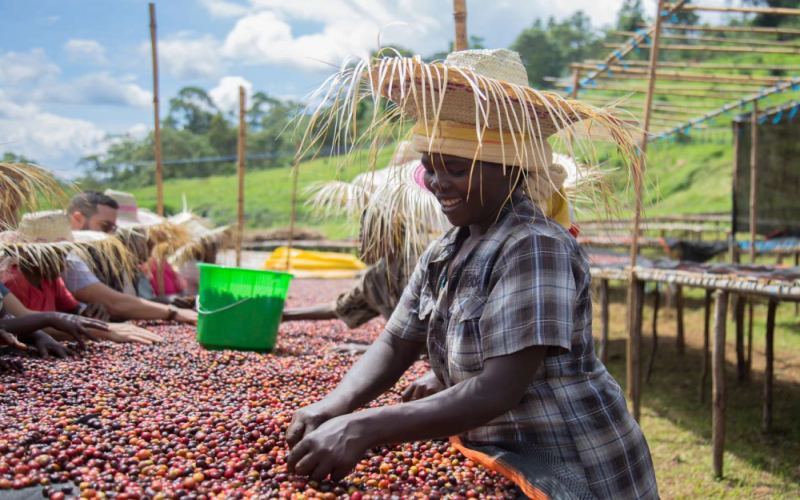
A Complete Guide to Coffee Bean Processing Methods: Flavor Differences Between Natural, Washed, Honey, Wet-Hulled, and Anaerobic Fermentation
From fruit to green beans, coffee cherries must go through a series of processing steps to remove the skin, pulp, mucilage layer, and parchment. The processing method directly determines the final flavor profile of the coffee. This article systematically reviews the operational procedures and flavor characteristics of common processing methods such as natural (dry), washed (wet), honey (semi-washed), wet-hulled (Giling Basah), and anaerobic fermentation, compares their respective advantages and disadvantages, and explains why washed beans have bright acidity, natural beans are rich in fruity aromas, and wet-hulled beans carry a distinctive woody-spicy note. At the same time, the article combines specific Front Street Coffee products such as Red Cherry Yirgacheffe, Gudingding, Lintong Mandheling, Xizhua, and Daduqi to demonstrate the flavor expression of different processing methods in actual coffee beans, helping readers build a complete understanding from processing method to flavor in the cup. [more…]
A Complete Guide to Coffee Fruit Processing: From Natural and Washed to Anaerobic Fermentation — The Main Processing Methods
The flavor of a cup of coffee depends not only on the terroir and variety of its origin, but also on how the green beans are processed—an equally critical variable. Coffee beans from the same growing region can present entirely different profiles—clean and refreshing, or rich and sweet—simply because of a different processing method. This article systematically reviews common processing techniques such as natural, washed, honey, wet-hulled, and anaerobic fermentation, and, in conjunction with the beans offered by Front Street Coffee, explains the procedural characteristics and flavor tendencies of each method, helping coffee lovers understand how processing shapes the flavor in the cup. [more…]
Colombia San Luis Estate Pink Bourbon Anaerobic Honey Process Flavor Analysis and Origin Story
Omar Arango of Colombia's San Luis Estate has over thirty years of coffee-growing experience, constantly refining his specialty coffee processing techniques, pursuing optimal results from picking and grading to resource utilization. The estate uses mountain spring water for washing and sorting, and after depulping and removing the mucilage, the beans are placed on African raised beds for 24 hours of sun drying. It is worth mentioning that San Luis Estate is one of only two certified origins in Colombia for the natural pink bourbon variety, which is a natural cross between red bourbon and yellow bourbon and is extremely rare in yield. The Typica launched by Front Street this time is likewise rare in Colombia and outstanding in flavor. Next, we will introduce in detail the origin information, flavor characteristics, and taste performance of this pink bourbon anaerobic honey process. [more…]
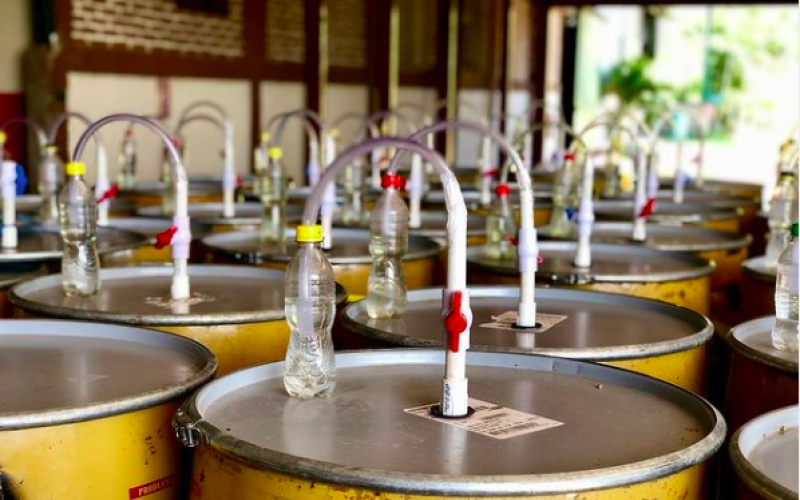
Analysis of the Principles of Enzyme Processing for Coffee Beans: A Complete Guide to the Differences Between Natural, Washed, and Honey Processes
The processing method of coffee beans directly determines the flavor direction of the final cup. Washed, natural, and honey—the three classic processes—each have different fermentation paths and flavor expressions. The enzyme processing method that has emerged in recent years introduces specific microbial strains for anaerobic fermentation on the basis of washed processing, in order to create more distinctive flavors. How exactly is this processing method carried out? And what are the essential differences between it and the three traditional processing methods? This article will break down the process details of each method one by one, and combine them with a number of representative beans from Front Street Coffee to help readers build a systematic understanding of coffee processing methods. [more…]
Natural, Washed, Semi-Washed, Wet-Hulled, Anaerobic and Barrel-Fermented: A Full Analysis of the Flavor Pros and Cons of Six Major Coffee Processing Methods
For coffee cherries to become green beans, they must undergo a series of processing steps to remove the skin, pulp, mucilage layer, and parchment. Different processing methods not only determine the appearance of the green beans but also profoundly shape the final flavor profile in the cup. Traditional natural, washed, semi-washed, and honey processing each have their adherents, while in recent years new methods such as anaerobic fermentation and barrel fermentation have emerged endlessly, bringing more possibilities to coffee flavor. This article will systematically sort out the operational processes, advantages and disadvantages, and flavor characteristics of these processing methods, interspersed with examples of several representative products under the Front Street Coffee brand, to help coffee enthusiasts build a clear cognitive framework for processing methods and have more direction when purchasing and tasting. [more…]
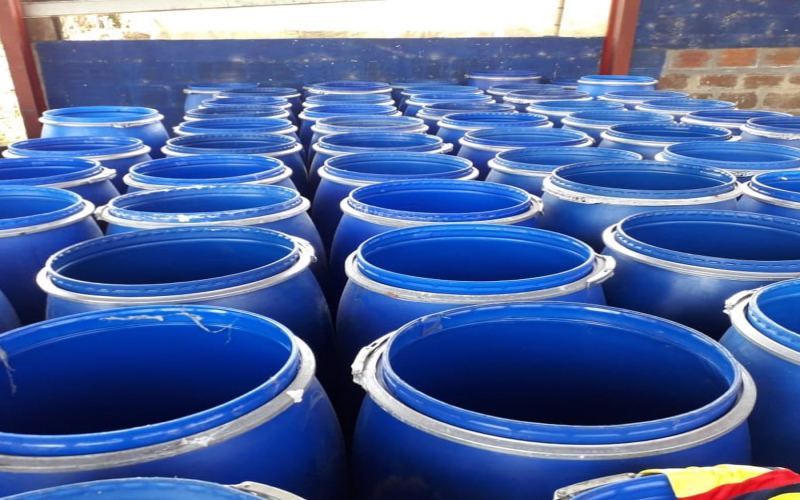
A Comprehensive Analysis of Specialty Coffee Processing Methods: The Craft and Flavor of Anaerobic Fermentation, Barrel Aging, and Wine Infusion
In recent years, an increasing number of specialty green coffee beans processed with special processing methods have appeared on the specialty coffee market. Is this really something to be happy about? Front Street Coffee believes that special processing methods were originally intended to give the flavor of coffee beans from a certain producing region more distinctiveness. However, as their use has continued to expand, some processing methods today seem to be more about masking the defects of the coffee beans themselves and then selling them at a high price. In fact, all special processing methods have evolved around the three traditional methods: washed, natural, and honey. This article will systematically sort out the most common types of special processing methods on the market, including anaerobic fermentation, barrel fermentation, and red wine processing, and, combined with Front Street Coffee's cupping experience and specific products, analyze their processing procedures and flavor characteristics. [more…]
Where Does the Sweetness in Honey-Processed Coffee Come From? Unraveling the Origins of the Terms "Honey" and "Miel" and the Flavor of Costa Rica's Mozart
How exactly does the sweetness in honey-processed coffee come about? Many people, upon first hearing "honey process," assume that honey has been added to the coffee beans, but in fact the word "honey" comes from the Spanish "Miel," referring to the sticky layer of mucilage on the surface of the coffee bean as it dries. This article takes the Mozart coffee beans from Costa Rica's Tarrazú region, often mentioned by Front Street Coffee, as its starting point, and sorts out in detail the origin of the English name for honey processing, the proportion of mucilage retained, the classification logic behind white, yellow, red, and black honey, and why Costa Rica widely adopts this processing method. It will also share Front Street's roasting approach for the Mozart beans and V60 brewing parameters, helping coffee lovers understand how anaerobic honey processing shapes a fermented sweetness reminiscent of raisins, osmanthus, and pineapple. [more…]

What Exactly Is Coffee Fermentation? Analyzing the Differences Between Aerobic, Anaerobic, and Double Anaerobic Fermentation
In coffee tasting, "fermentation" is a term that is often mentioned but easily misunderstood. It does not mean that the coffee contains alcohol; rather, it describes an aroma and mouthfeel reminiscent of ripe fruit or even overripe fruit. Coffee itself is a fermented food, and its flavor is deeply influenced by the way it is processed. This article starts from everyday conversations at Front Street stores and systematically explains the essence and sources of fermenty notes, as well as the differences between aerobic fermentation, anaerobic fermentation, and double anaerobic fermentation. At the same time, we will also explore how the fermentation process shapes coffee's aroma and complexity, and recommend Front Street's natural, honey-processed, and anaerobic-processed coffee beans for different preferences, helping you find the cup that suits you best in your everyday purchases. [more…]
From Natural and Washed to Wet-Hulled, Honey, and Anaerobic Fermentation: A Complete Analysis of Flavor Differences in Common Coffee Processing Methods
Turning coffee cherries into green beans relies on the crucial step of "processing." Different methods of removing the skin, pulp, mucilage, and parchment lead to entirely different flavor directions in the final cup. This article systematically reviews the operational processes and flavor characteristics of common processing methods such as natural, washed, semi-washed (honey), wet-hulled, and anaerobic fermentation, while also explaining the specific performance of beans like Front Street Red Cherry, Fruit Ding Ding, Lintong Mandheling, Sidra, and Big Belly under each processing method, helping coffee enthusiasts understand how processing shapes a cup's acidity, sweetness, and sense of place. [more…]
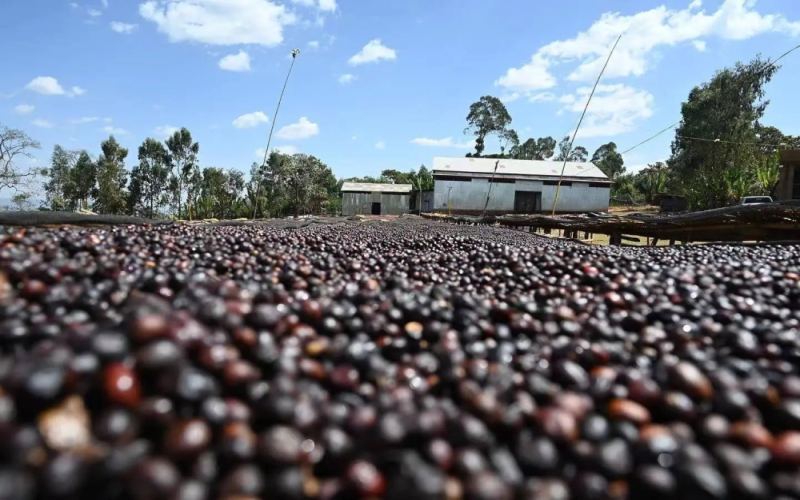
Natural, Washed, Honey, Wet-Hulled, Anaerobic: A Flavor, Taste, Variety, and Origin Analysis of the Three Major Coffee Bean Processing Methods
The processing method of coffee directly determines the flavor direction in the cup. Front Street Coffee (FrontStreet Coffee) has found in daily conversations with customers that more and more people are paying attention to coffee bean processing methods, which precisely shows that everyone's understanding of coffee is continuously deepening. This article systematically sorts out mainstream processing techniques such as natural, washed, honey, wet-hulled, and anaerobic fermentation, comparing them item by item from operational processes, flavor performance, bean appearance, to origin suitability conditions, helping coffee enthusiasts build a clear cognitive framework. The article also combines specific beans currently sold by Front Street, such as Yirgacheffe, the Costa Rica Musician series, and Mandheling, to explain how different processing methods shape their respective sweetness, acidity, and aroma characteristics, providing reference for bean selection and brewing. [more…]

An Analysis of Costa Rica's Eight Major Producing Regions: Monte Crisol Estate Blueberry Anaerobic Heavy Honey Process and Tarrazú Everyday Drinking Beans Flavor
Although Costa Rica has a limited land area, it boasts eight distinct coffee-producing regions, from the Central Valley to Brunca, each nurturing coffees with strikingly different flavor profiles. Front Street Coffee's Costa Rica series has always been known for being "sweet as honey"—whether it's the Musician Series or the recently added Blueberry from巨石 Estate, it can rise to the occasion whenever a sweet pour-over is needed. This article will start with the Blueberry bean, explaining in detail the anaerobic heavy honey processing method of巨石 Estate and the growing conditions of the Brunca region, and then extend to introduce the variety composition and brewing suggestions of Front Street's everyday bean Tarrazú, helping coffee lovers systematically understand the diverse charm of Costa Rican coffee. [more…]